
To More Inquiry
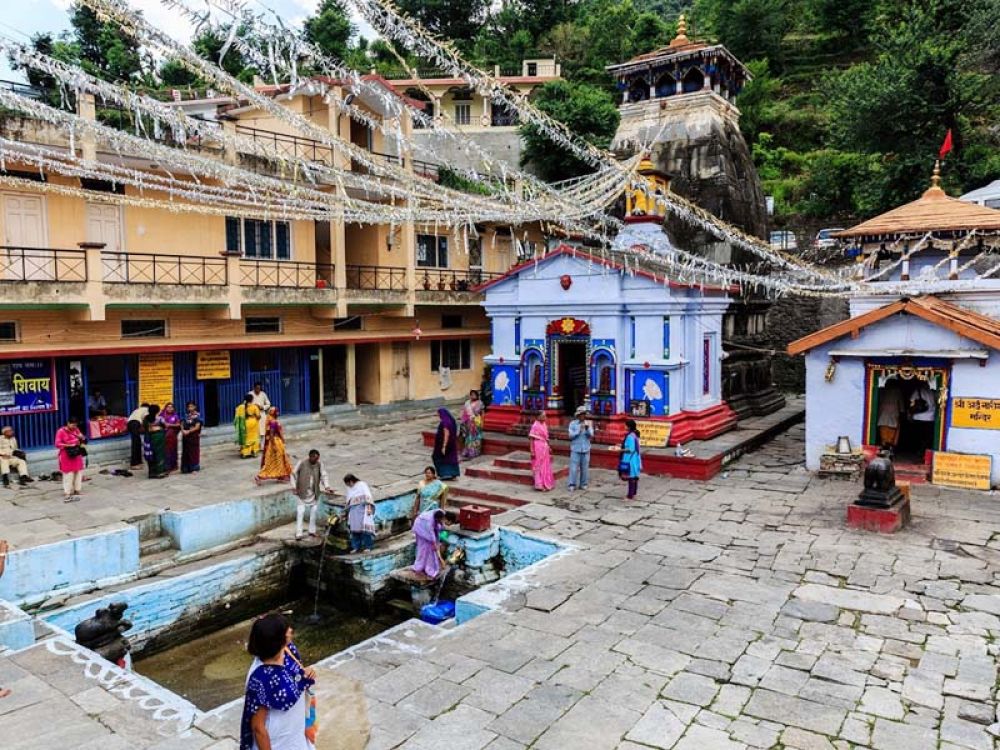
India, one of the world’s oldest civilizations, has a rich and diverse history dating back to the Indus Valley Civilization (c. 2500 BCE). As the birthplace of major religions like Hinduism, Buddhism, Jainism, and Sikhism, India has been a center of spirituality, philosophy, and cultural exchange for centuries. The subcontinent saw the rise and fall of powerful empires, including the Maurya, Gupta, Mughal, and Maratha dynasties. Colonized by the British in the 18th century, India gained independence in 1947 after a nonviolent struggle led by Mahatma Gandhi. Today, it is the world’s largest democracy, known for its vibrant cultural heritage, economic growth, and technological advancements.


India has made significant contributions to science, mathematics, and literature, from the invention of the decimal system to the works of ancient scholars like Aryabhata and Chanakya. Its economy, one of the fastest-growing globally, thrives in sectors like technology, pharmaceuticals, and space exploration. Despite modernization, India preserves its deep-rooted traditions, blending the old with the new in a unique cultural harmony.
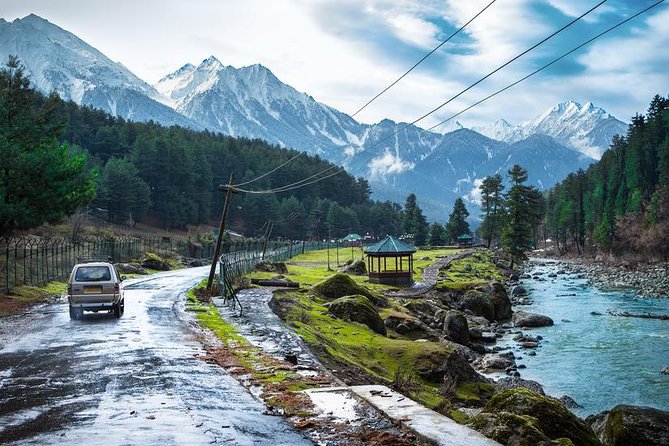
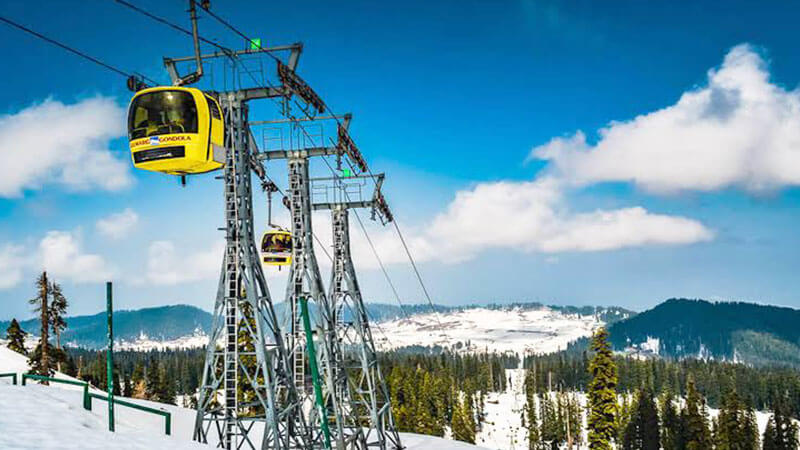
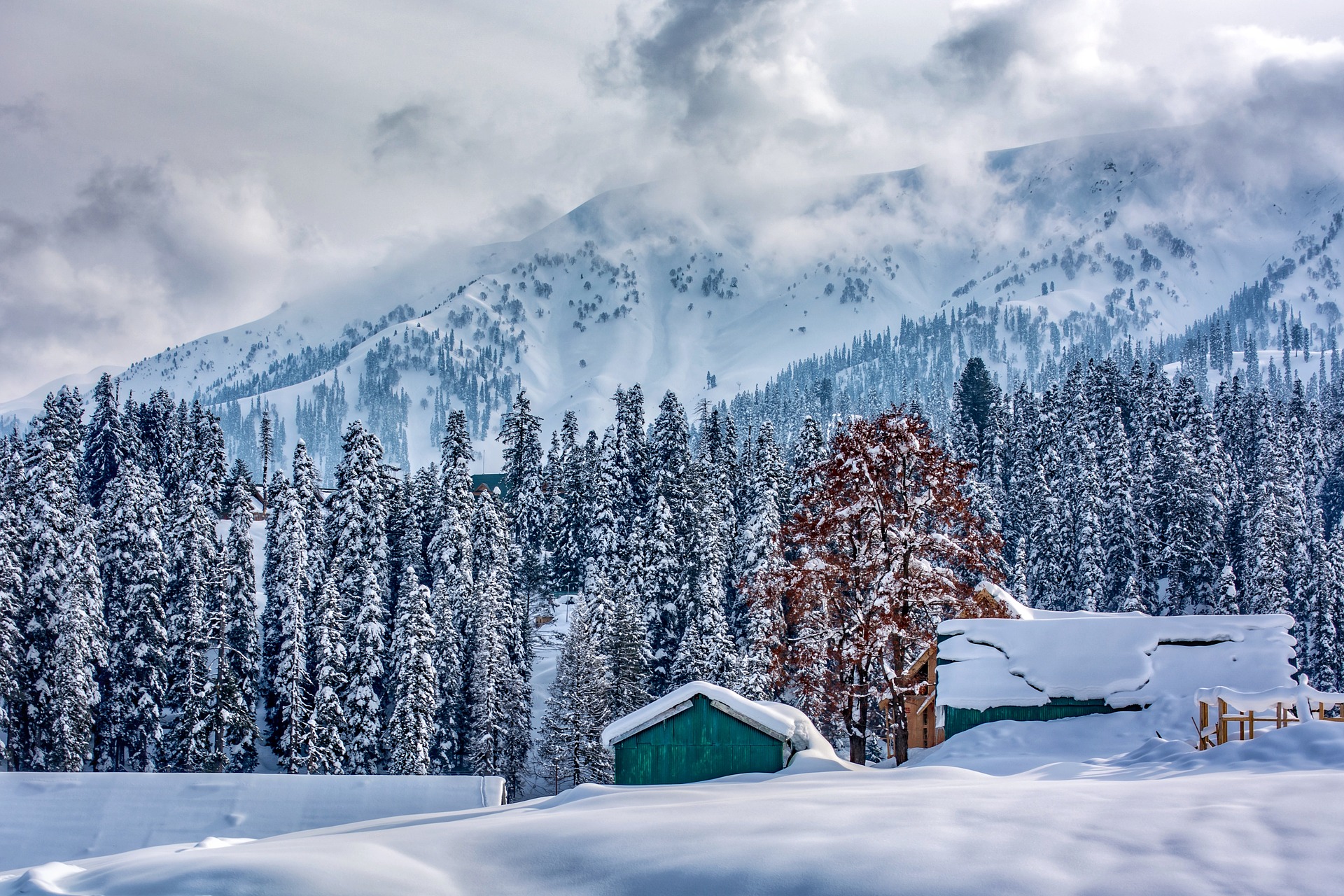
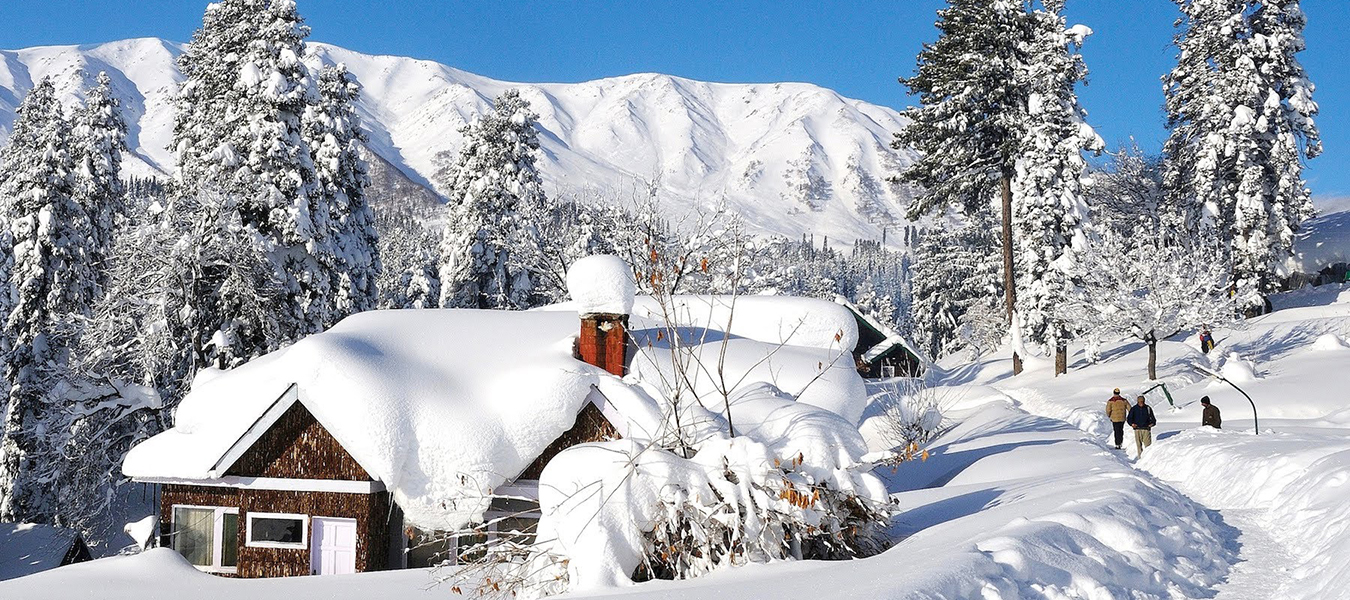
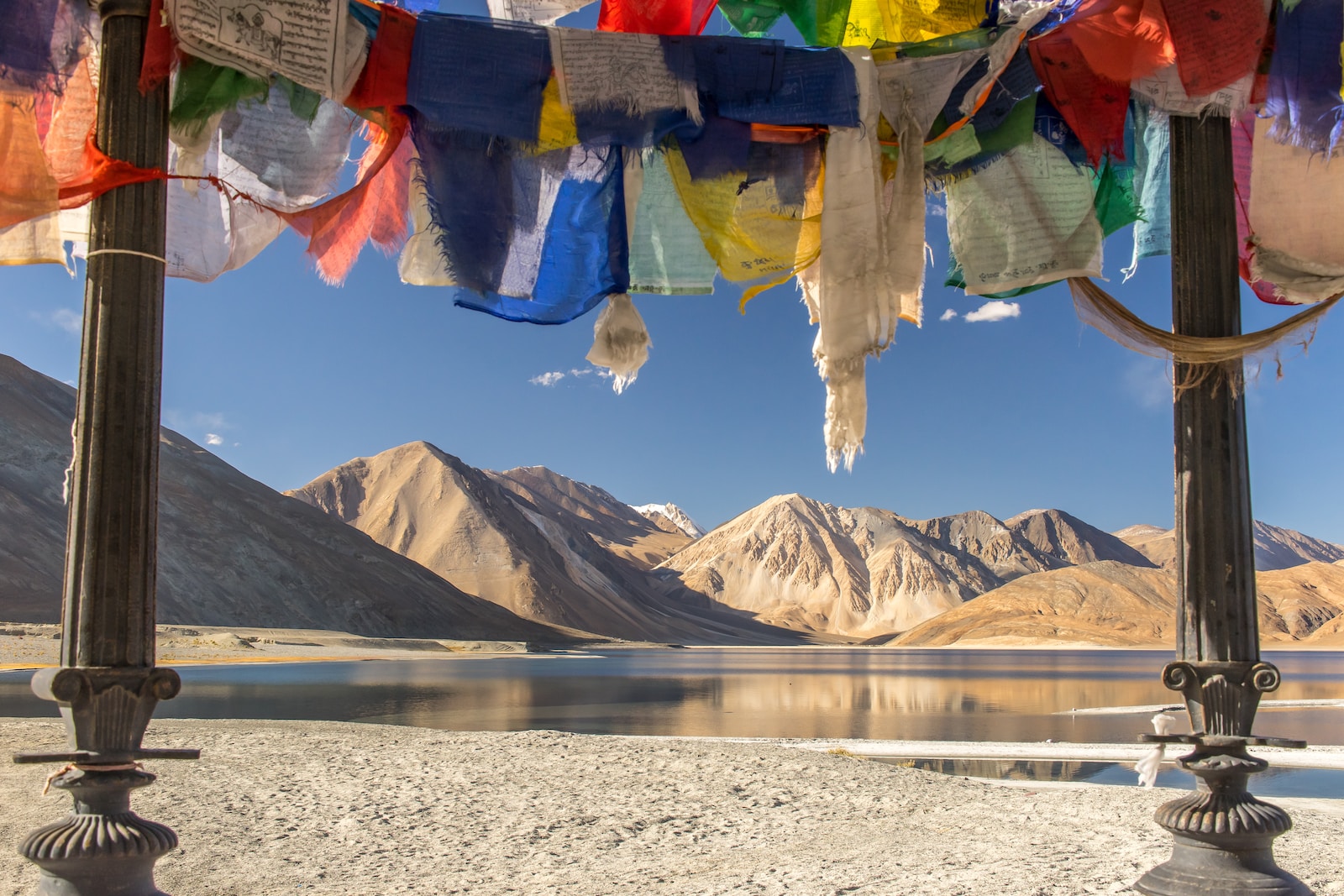
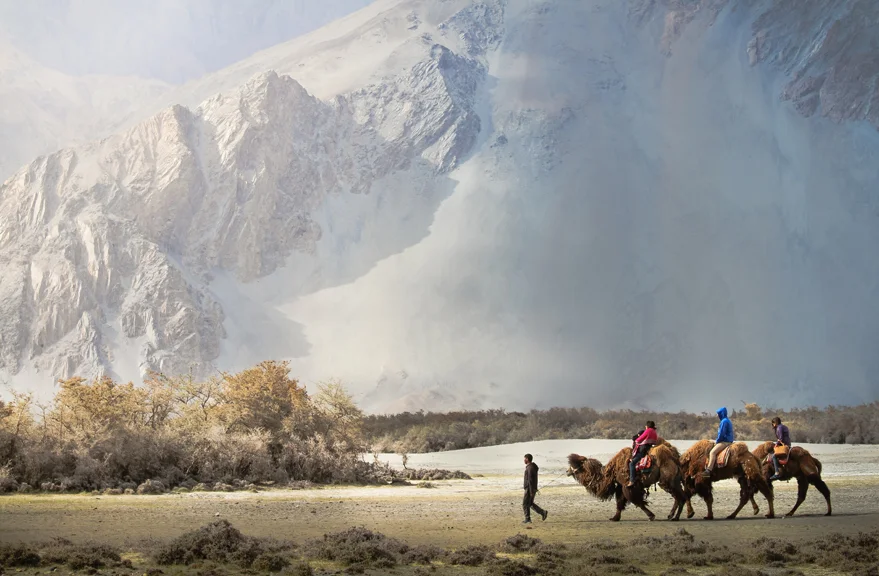
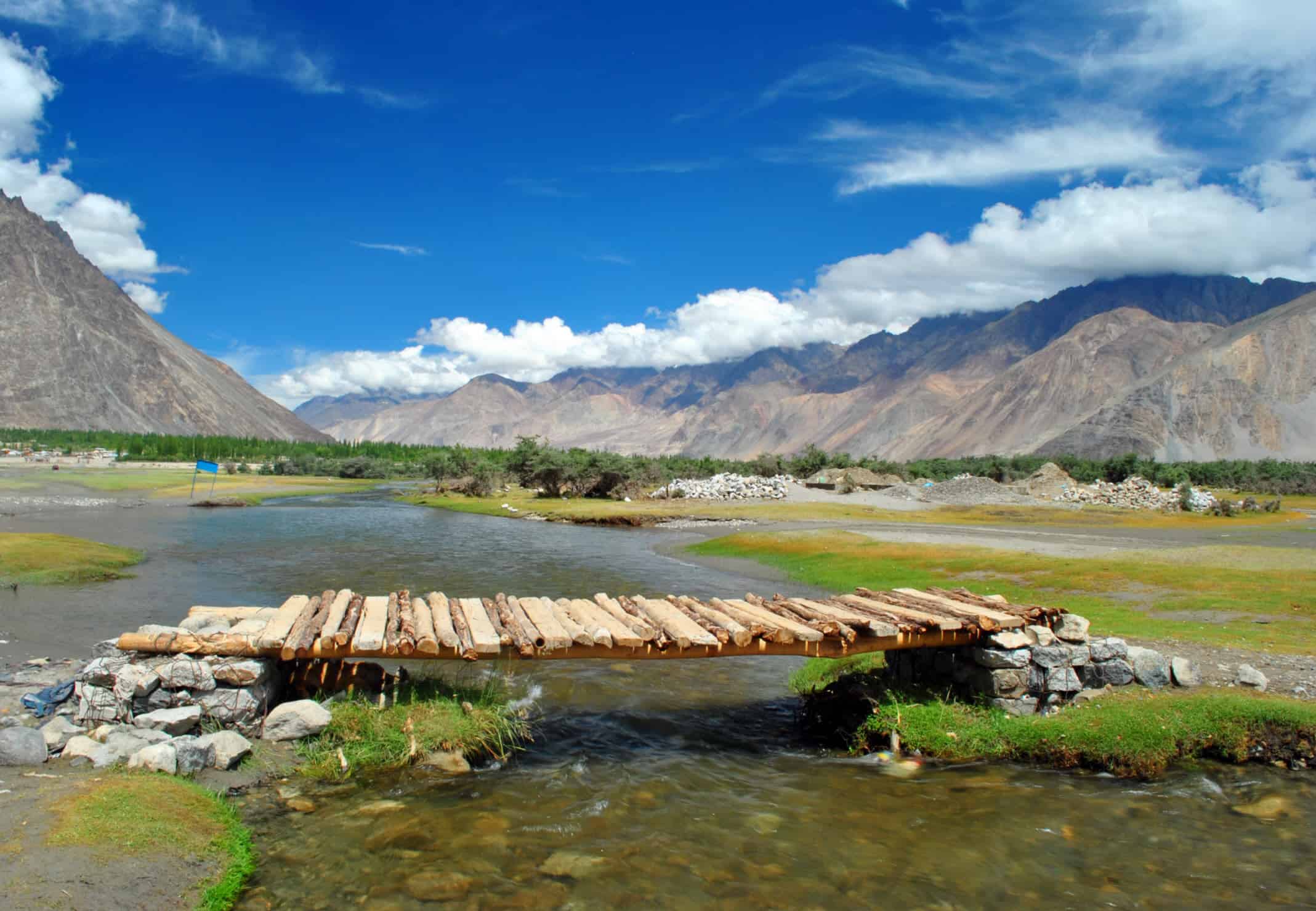
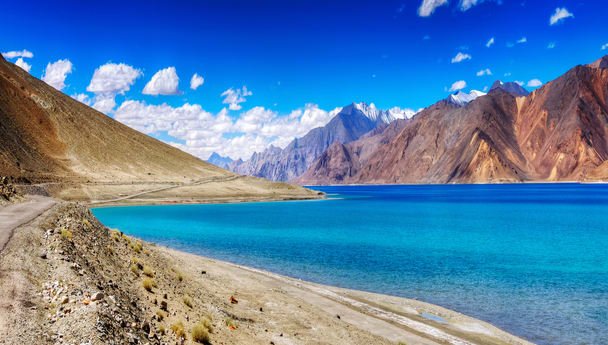
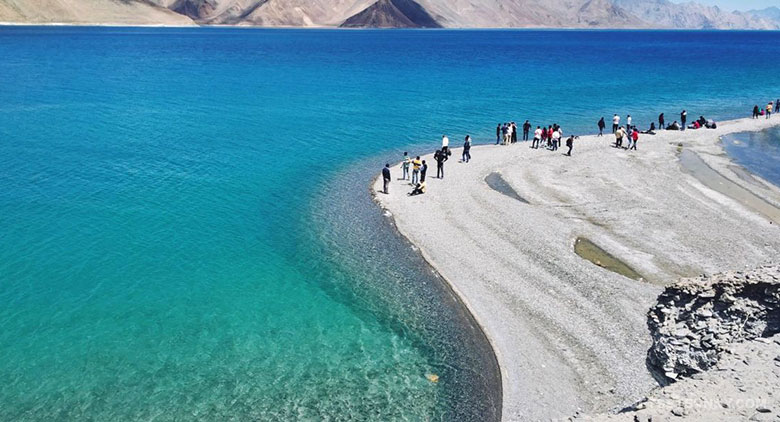
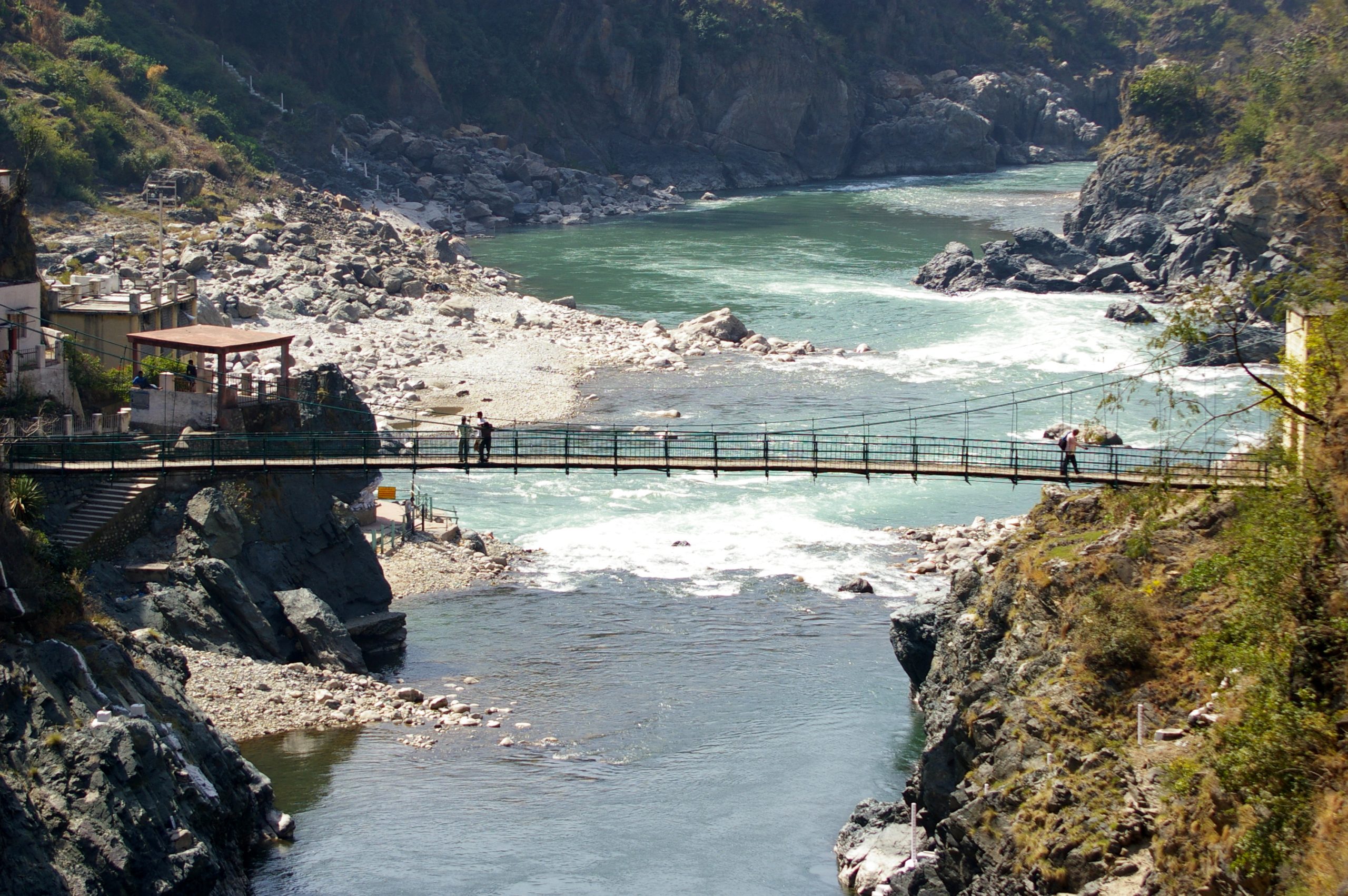
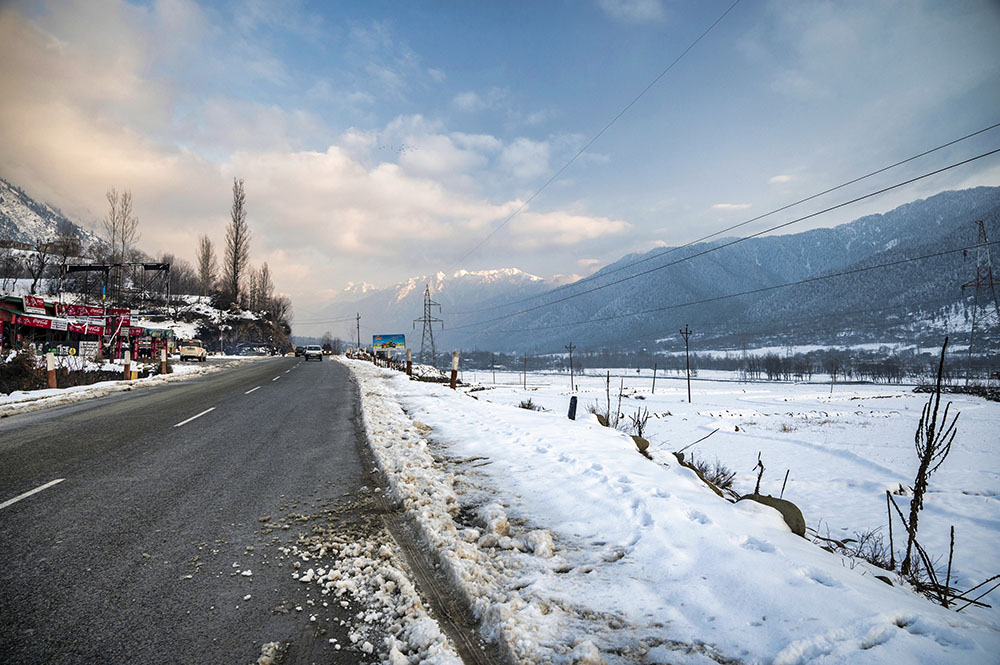
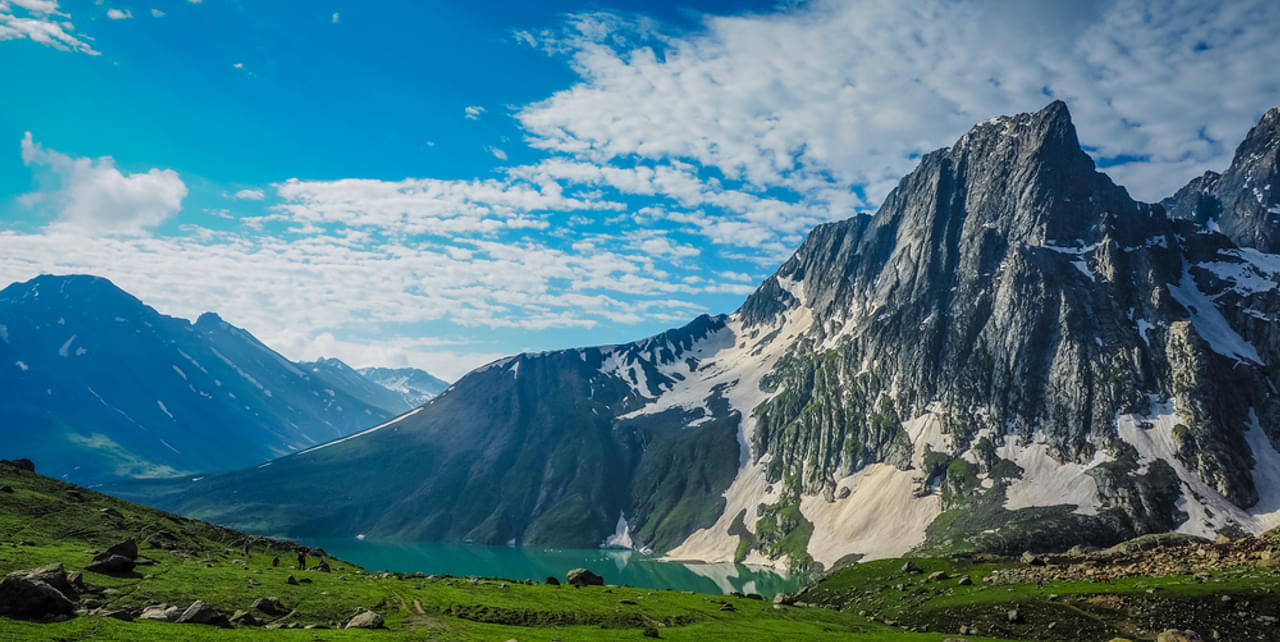
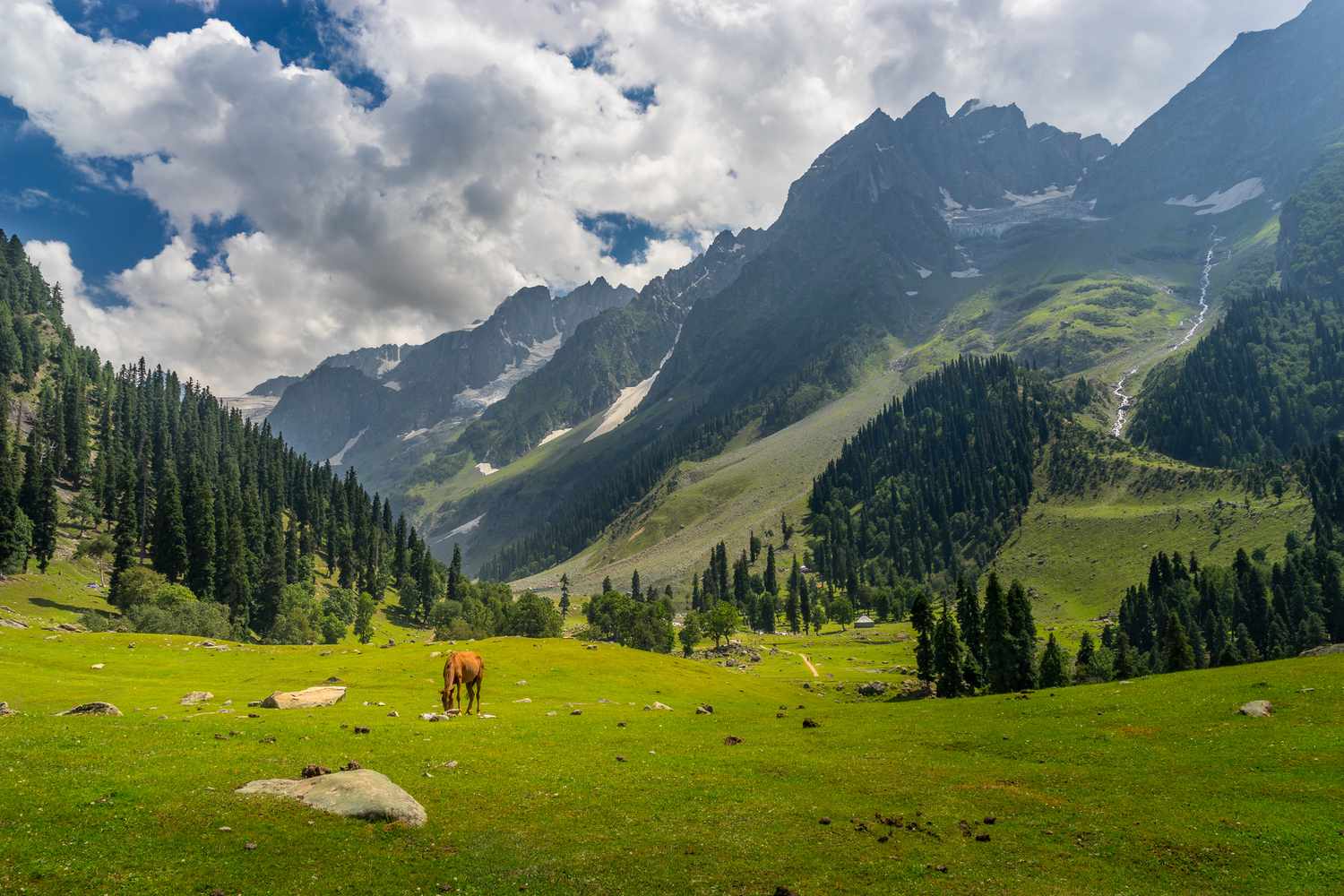
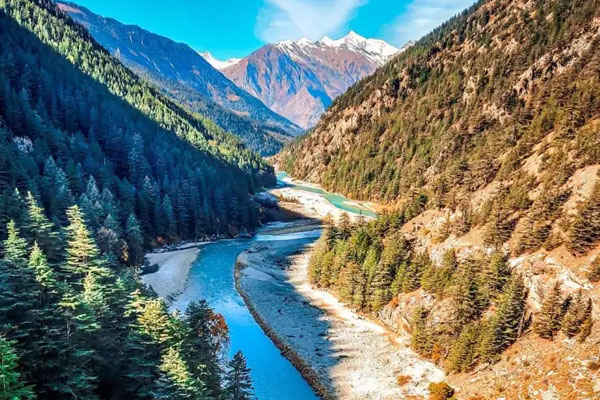
India’s geographical diversity, ranging from the towering Himalayas to the vast Thar Desert and lush coastal regions, has shaped its rich cultural and historical legacy. The country has been a melting pot of various civilizations, influenced by Persian, Greek, and Central Asian cultures over centuries. Its historical trade routes, such as the Silk Road and maritime connections, played a crucial role in global commerce and cultural exchange.